


Page 45 - MSDN Magazine, November 2018
P. 45
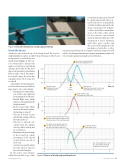
Figure 1 SensorKit Simulation and Springboard Setup
Inside the Sensor
Attached to the underside tip of the diving board, the sensor is small and light enough to not affect the performance of the board, and operates for several hours on a
single charge (Figure 1). The sen-
research article, this sensor data will be synchronized with video cap- tured of the dive to a smartphone or tablet and then uploaded to the cloud. An intuitive UI will give coaches and athletes immediate access to the video, with controls for slow motion, step-forward and step-backward functions. The integration of sensor telemetry with video gives coaches and divers powerful insight into the mechanics of each dive, so they
can understand what needs to be improved. In this solution we will only be calculating maximum flexion angle, maximum springboard velocity and maximum springboard acceleration.
1 Diver lands on horizontal board, which means displacement is 0.
sor is then ready to measure the angles, accelerations and timing during a diver’s takeoff. The most important parameter is maximum flexion angle, which determines how much energy the diver has transmitted into the board prior to takeoff.
A partial list of typical parame- ters that can be measured and are important to the coach include:
• Maximum downward flex- ion of the board; indicated by maximum board flexion.
• Hurdle flight time, which indicates maximum hurdle height attained.
• Board contact time, which measures the time from hur- dle landing to takeoff.
• Velocity at board contact after hurdle, estimated from the time in the air.
•Velocity at takeoff, cal- culated from the angular velocity of the board tip and its acceleration.
• Maximum sideway tilt angle of the board tip, which determines if the takeoff occurred from one side of the board.
• Acceleration profile, which provides the raw data for more detailed analysis.
In the end-to-end solution, which is beyond the scope of this msdnmagazine.com
0.02 0 -0.02 -0.04
0.2 0 -0.2
2 1 0
-1
01234
5
Max Flexion
Board goes down.
2 Displacement increases
in negative direction.
Board goes up.
6 Displacement decreases to 0, then goes
above horizontal as diver leasves it.
Board velocity hits max
near horizontal as diver leaves.
Time / (s)
7
0 1234 Board has negative velocity, which increases
3 negativity as diver pushes it down, but then it decreases to 0 as it hits max flexion point.
This will be max acceleration point at or 4 near max flex. Diver feels max force at
this point. Even though velocity is 0!
8 Acceleration will be 0 when velocity is max.
Note: These graphs don’t account for G. To include this we would just offset the accel by 1G up.
-2
01234
Figure 2 Physics of the Springboard Explained
November 2018 39
Acceleration ... Velocity ... Displacement ...


